


 EDUCATIONAL VISITS Manor Farm is fully accredited by the Countryside Educational Visits Accreditation Scheme (CEVAS)
 THE FARM
Contact us for availability.

Archived News
18th February 2018
As the grain harvest came to a close in August, we began to harvest fodder beet in September.
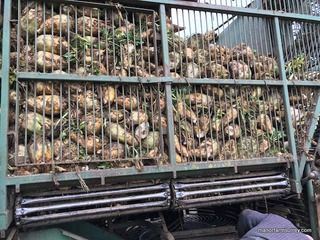
We only lift the fodder beet from the soil as and when it is required, thus maintaining its freshness during autumn, winter and spring.
There's been a more continuous harvest of the crop since November with 120 acres lifted so far and another 100 acres to complete in-between other routine winter work, such as the regular feeding and bedding up of cattle and loading of grain lorries.
The Friesians are over-wintered in barns and fed on the beet and maize silage which was harvested and clamped in the autumn. Both these crops are also sold off farm to other farmers and the fodder beet is particularly popular for owners of cattle, pigs, sheep and horses.
A neighbour is currently harvesting 60 acres of grain maize for us.
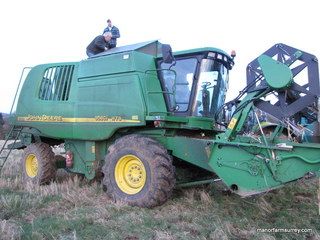
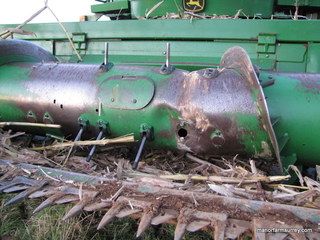
Everything was going well until Friday afternoon when a huge rock was taken into the header, damaging the auger and drive chain; replacement parts and an engineer should arrive on Tuesday.
Last autumn we drilled about 350 acres of oil seed rape and 650 acres of wheat and I'm sure the crops will appreciate the warmer soil as we head into spring.
We have mixed soil types from sandy, through to clay and chalk.
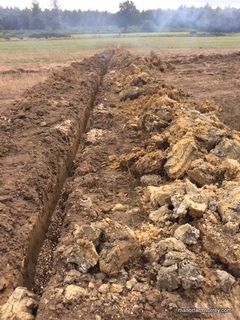
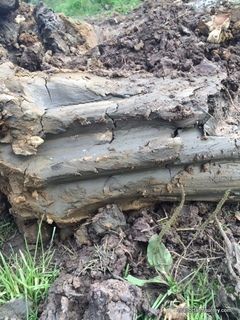
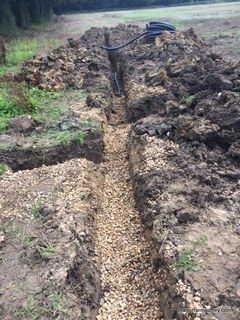
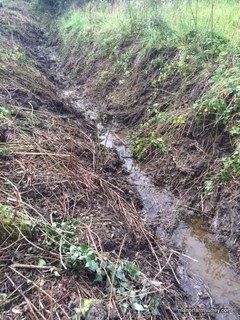
One 20 acre field has been wet for quite a few years so Laurence and David replaced a number of main drains which were blocked and then connected the existing herringbone drains from across the field into the new pipes.
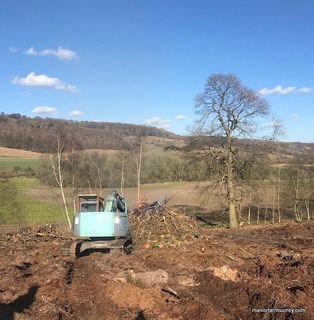
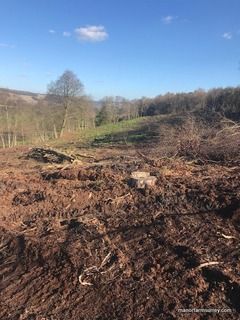
During the winter a crop of timber was harvested from a neighbour's land and we are now clearing and burning the brash wood in preparation for them to re-plant the area with the next crop of trees.
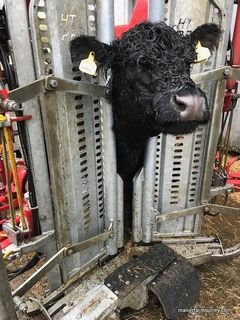
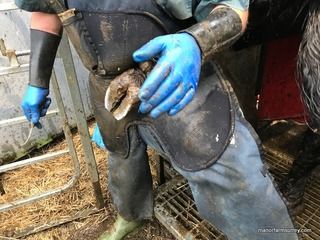
The Belties had their feet checked and trimmed as necessary to keep them in good condition over the coming year. The work is undertaken by a professional foot trimmer who brings a purpose built handling system.
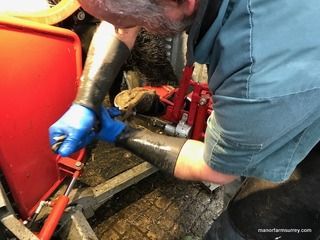
Hooves are returned to their correct shape to best support the weight of the cow and prevent lameness.
Back in September the Beltie cows were pregnancy diagnosed (PD) with 32 found to be in calf and one unknown, as 'Babs' decided to jump over the gates instead of being PD!
The in-calf cows have remained in their bulling groups and have now been moved into two barns ready for calving from about the third week of February. After calving the Belties will be turned out to grass once again.
Back