EDUCATIONAL VISITS Manor Farm is fully accredited by the Countryside Educational Visits Accreditation Scheme (CEVAS)
 THE FARM
Contact us for availability.

Archived News
10th June 2011
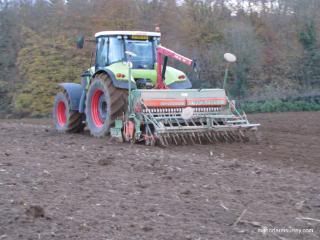
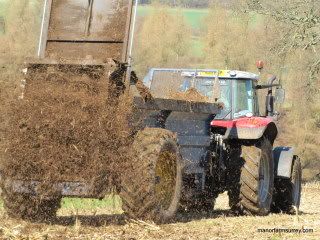
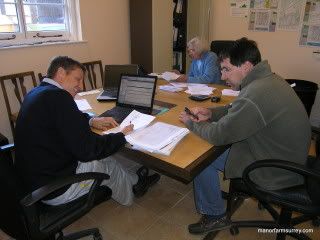
We have finally had a good downpour of rain, with 32ml being recorded on 5th June and a further 6ml in the last five days. However the damage to the crops has already been done; they are stressed and stunted and the yield will be down due to the severe lack of rain since March. The Arable cycle began last autumn with the preparation of ground for sowing; firstly the weeds are killed and the ground cultivated to mix the soil and create a seed bed ready to be sown or ‘drilled’; this process doesn’t require ploughing. In some cases the soil is direct drilled without the need for cultivation, such as the linseed which was direct drilled through the wheat stubble of last summer’s crop. We use a 6m Amazon drill for sowing, followed by a roller which firms up the soil around the seed, sealing in the moisture whilst also creating a smoother surface on which to drive throughout the growing period. The barns used to over-winter the Friesian x cattle are mucked out in spring and the muck is carted to local fields, spread and then ploughed into the soil. Ploughing is also undertaken where there’s a lot of debris from the previous crop, but generally ploughing is much less used nowadays. Crops are really quite complex and have an amazing number of growth stages, for example wheat has about ninety! In simpler terms crop development can be divided into three phases; foundation, Construction and production. Rain is crucial to germinate the seeds and to establish the first stages of plant growth (leaf production and tillering) before the winter. In spring the plant goes into the reproductive stage which is triggered by day length; usually around 12 hours daylight in mid - end March. This is when the plant goes through stem elongation and booting to ear formation. Growth in this phase is critical to grain fill in the next phase. Plant stress (including drought and diseases), reduces green leaf area and therefore Photosynthesis, resulting in stunted growth. Once the wheat grains have been fertilised (by self pollination), the crucial grain fill period occurs before ripening. Lack of rain through this period is the most critical part of the final yield process. We have two Agronomists walking the fields every week to assess the crops and check for signs of pests, disease, weed growth and drought. In an ideal world they report back that everything is growing well and no action is necessary, however life isn't always ideal and they provide expert advice on crop management and spraying requirements for weed, insect or fungi control. The barley is suffering the drought more than the wheat. The fodder beat is now up, but struggling and the oil seed rape is shorter than it might have been but should still provide a fairly good yield.